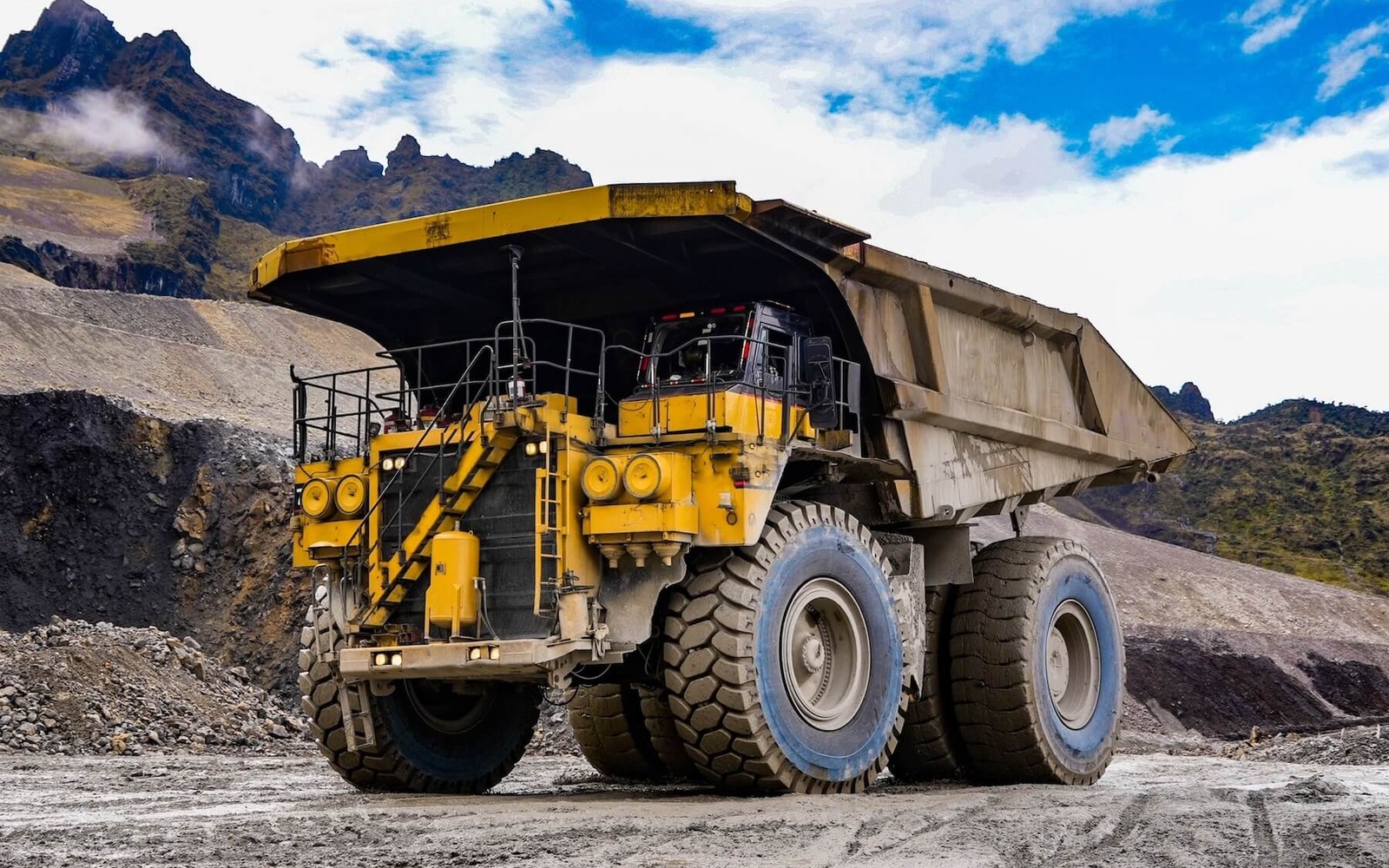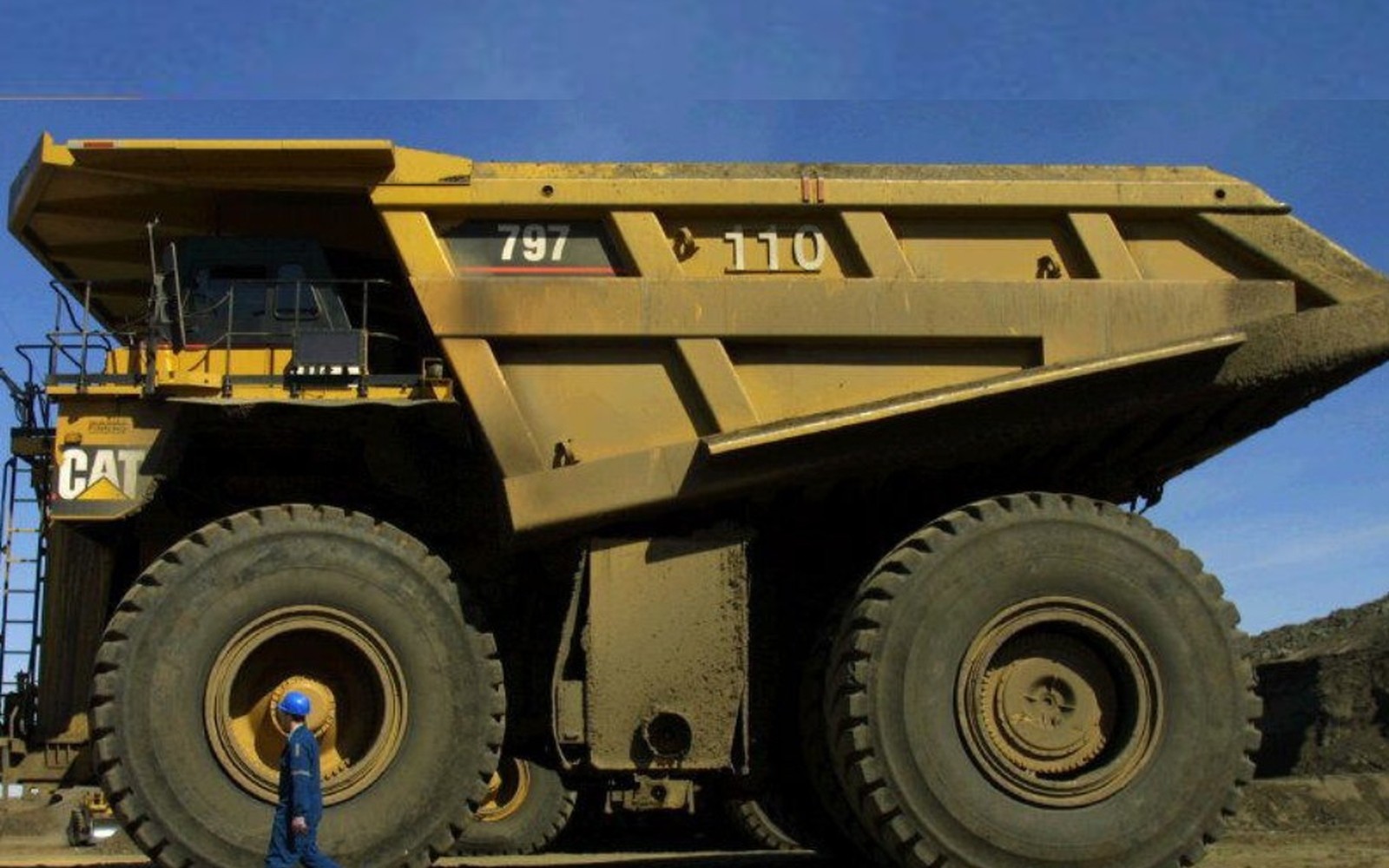

Aggregate hauling is a cycle business. The revenue is in the repetition: load at the quarry, haul to the job site or batch plant, tare out, return, repeat. High-performing aggregate routes run four to six loads per day per truck depending on haul distance and site conditions. The truck that can sustain that cycle reliably is the truck that earns. A truck in the shop, or a truck that is not yet purchased because the financing did not close, breaks the cycle and breaks the revenue.
Trucks purpose-built for aggregate hauling have the axle configurations, body materials, and suspension specs that the repetitive cycle demands. Tri-axle and tandem-axle configurations dominate the aggregate hauling fleet for on-highway routes. Transfer dump setups and belly dump combinations increase per-trip payload on longer haul routes where cycle frequency is limited by distance. We finance the full range.
Deal minimum is $50,000, application-only to approximately $400,000. Aggregate hauling purchases often start in the upper-five figures and climb into low-two-hundred-thousand territory as axle count, body spec, and new-versus-used pricing change. Three months of bank statements and an application gets the conversation started.
Aggregate Haulers We Work With
Quarry subcontractors who haul stone, gravel, and limestone on long-term supply agreements with batch plants and road builders. Independent aggregate haulers running spot market loads from multiple quarries to construction sites. Fleet operators who have grown from one truck to several and are adding capacity to match new contract volume.
Operators in aggregate hauling typically have predictable cash flow once the contract is in place, which lenders find straightforward to underwrite. The challenge for many aggregate haulers is that the work comes in waves driven by construction season, and bank deposits reflect that seasonality. Lenders who understand construction-season billing treat seasonal deposit patterns more reasonably than those expecting flat monthly revenue.
Sub-haulers working for road construction general contractors and asphalt paving contractors are also frequent buyers. These operators need to be ready to mobilize when the GC calls, and that means having equipment in the yard, not waiting for a deal to close after the project start date has passed.
Truck Specs for Aggregate Work
The right truck for aggregate hauling depends on the route and the commodity. Short hauls from a local quarry to a nearby job site favor the Tri-Axle Dump Truck Financing for its combination of payload capacity and maneuverability on local roads and job sites. Longer highway hauls to batch plants favor combination vehicles or transfer setups that maximize payload per trip to offset the longer cycle time.
Body spec matters in aggregate hauling. A standard steel body handles limestone, gravel, and crushed stone without excessive wear. Some aggregate haulers run aluminum bodies on lighter bulk material runs to gain tare weight reduction and additional payload. The alloy steel options like HardOx body panels split the difference, adding wear resistance without the full tare weight of a thick conventional steel body.
Chassis selection also matters. Kenworth T880 configurations are popular in aggregate hauling for their combination of payload capacity and powertrain reliability on high-cycle routes. Peterbilt 567 setups serve similar applications. Lenders finance both chassis brands without issue; the brand is an operational choice, not a financing one.
New Truck vs. Used for Aggregate Routes
Aggregate hauling is hard on a truck. High cycle counts, heavy loads, rough quarry access roads, and the repetitive stop-load-go pattern stress the drivetrain and suspension on a schedule that highway miles alone do not capture. A new truck starts that cycle fresh with a warranty and the full life of major components ahead of it.
A well-maintained used truck can still deliver many productive years on an aggregate route if the service history is documented and the major components are in good shape. Used trucks priced roughly $80k–$130k are common starting points for operators who want to minimize upfront cost while building the route revenue to support a future new-truck purchase. Used dump truck financing covers both private party and auction purchases in this segment.
The financing terms reflect the risk the lender takes on older equipment. Newer trucks get longer terms and sometimes better rates because the collateral holds its value better over the loan period. Used trucks may carry shorter terms and potentially stricter down payment requirements, but those deal parameters still work for operators whose cash flow and business stage align with a used truck purchase.
Aggregate Hauling Truck Questions
What operators working aggregate routes ask before applying.
Get Your Aggregate Hauling Truck Financed
Aggregate work does not wait for financing to sort itself out. Give us the truck details and let us get this done. Apply today, funded in about two weeks.