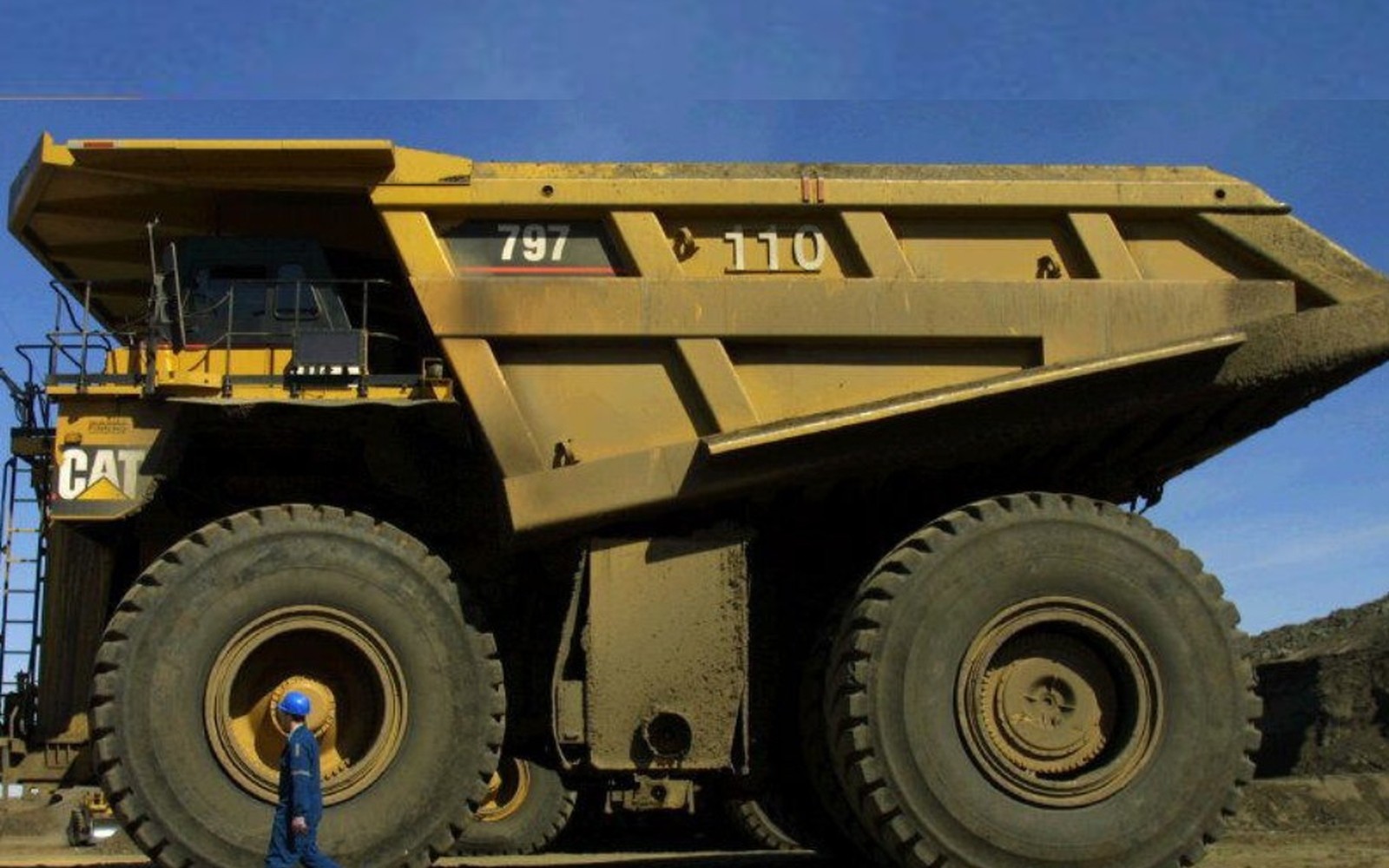

Super dumps carry more payload on a single truck than most Class 8 configurations because of the Strong Arm trailing axle system that deploys behind the rear axles while the truck is loaded. That trailing axle adds another point of weight distribution under federal and state bridge formulas, legally increasing the gross vehicle weight the truck can haul. It is the most payload-efficient single-truck configuration available on public roads in most states.
The spec and the payload advantage come at a price. Super dump configurations typically run $200,000 to $300,000 new. Used examples in good condition cost less but are harder to find because operators tend to keep working super dumps. The trailing axle mechanism requires more maintenance awareness than a standard lift or tag axle, and not every mechanic has worked on the system.
Despite the complexity, super dump financing works through the same channels as any Class 8 vocational truck. We match these deals with lenders who are comfortable with the configuration and who understand why the asset commands a premium price. Application-only approval is available up to approximately $400,000, covering a significant share of super dump purchases without a full financial package.
What Makes a Super Dump Different
The defining feature is the trailing axle, typically engineered by Strong Industries under their Strong Arm brand. The axle deploys automatically when the truck is loaded, adding a contact point that the federal bridge formula credits toward legal gross weight. Operators running super dumps in states that use the full federal formula can legally haul payloads in the 22 to 26 ton range on a single truck, which is meaningfully more than a Quad-Axle Dump Truck Financing and substantially more than a Tri-Axle Dump Truck Financing.
That payload advantage on a single truck means one driver handles what would require more cycles on a tri-axle. The economics are compelling on large aggregate hauls, road base jobs, and high-volume fill work where minimizing cycles per ton is the goal.
The maintenance complexity is real. The trailing axle system has hydraulic and mechanical components that standard truck mechanics may not be familiar with. Operators who purchase super dumps should budget for familiarity with the system and access to a shop that knows it. Lenders who have funded super dumps know this about the asset and price accordingly.
Compared to a transfer dump configuration, the super dump is a single-unit truck with no separate trailer. That simplifies maneuvering and eliminates the need for a CDL combination vehicle endorsement beyond the standard Class A.
Who Runs Super Dumps
Aggregate contractors on highway and road construction projects where tonnage per shift is the metric that wins or loses the sub contract. Quarry sub-haulers running long hauls who want the maximum legal payload without pulling a transfer trailer. Large site development operations moving significant fill volume on commercial projects.
Operators in road construction who have run tri-axles and want to step up the per-shift production without adding a second truck and driver. The math sometimes favors one super dump over two tri-axles when you account for insurance, maintenance, and driver wages on both units.
This is a truck for operators who understand the equipment thoroughly. First-time buyers can and do purchase super dumps, but the learning curve on the trailing axle system and the higher acquisition cost make it a more common purchase for operators who have already run tri-axles or quads.
Getting a Super Dump Deal Closed
The process is standard: application, three months of bank statements, and the truck details. Lenders who specialize in vocational Class 8 trucks handle super dump deals regularly. We do not send these to generalist lenders who will hesitate on the trailing axle configuration, we go to people who have seen the equipment before.
Deal structures include the standard equipment loan with fixed payments and full ownership from day one. An equipment lease is less common on super dumps but does exist, particularly for operators who want a lower monthly commitment and are comfortable with a buyout or equipment return at term end. On a $250,000 truck, the lease payment versus loan payment difference can be significant.
Down payments depend on credit. Clean credit at a dealer can sometimes close with 10 percent down. Thinner credit files and used equipment usually require 15 to 20 percent. For operators coming off a strong two-year revenue run with solid deposits, B credit does not always require maximum down payment, it depends on the full file.
Refinancing or Sale-Leaseback on a Super Dump
Super dumps hold value reasonably well given their specialized nature, which means a sale-leaseback is worth evaluating for operators who own a super dump outright or have significant equity in one. The lender purchases the truck at market value, you continue operating it under a lease, and the cash above your existing payoff goes into your account.
That capital has uses: a down payment on a second unit, fuel and insurance float for a busy season, or covering a lull between contracts. The truck stays on the job while the cash works somewhere else in the operation.
Refinancing a super dump to lower a payment is less common because operators who can afford the acquisition tend to have made the original deal work. But when rates shift, an existing note can often be refinanced to better terms. A dump truck refinance evaluation takes a few days and tells you quickly whether the numbers make sense.
Super Dump Financing Questions
What operators ask when they are evaluating this purchase.
Finance Your Super Dump
Bring us the truck details and we match you with a lender who knows this equipment. No runaround on a specialized asset. Apply and get a real answer fast.