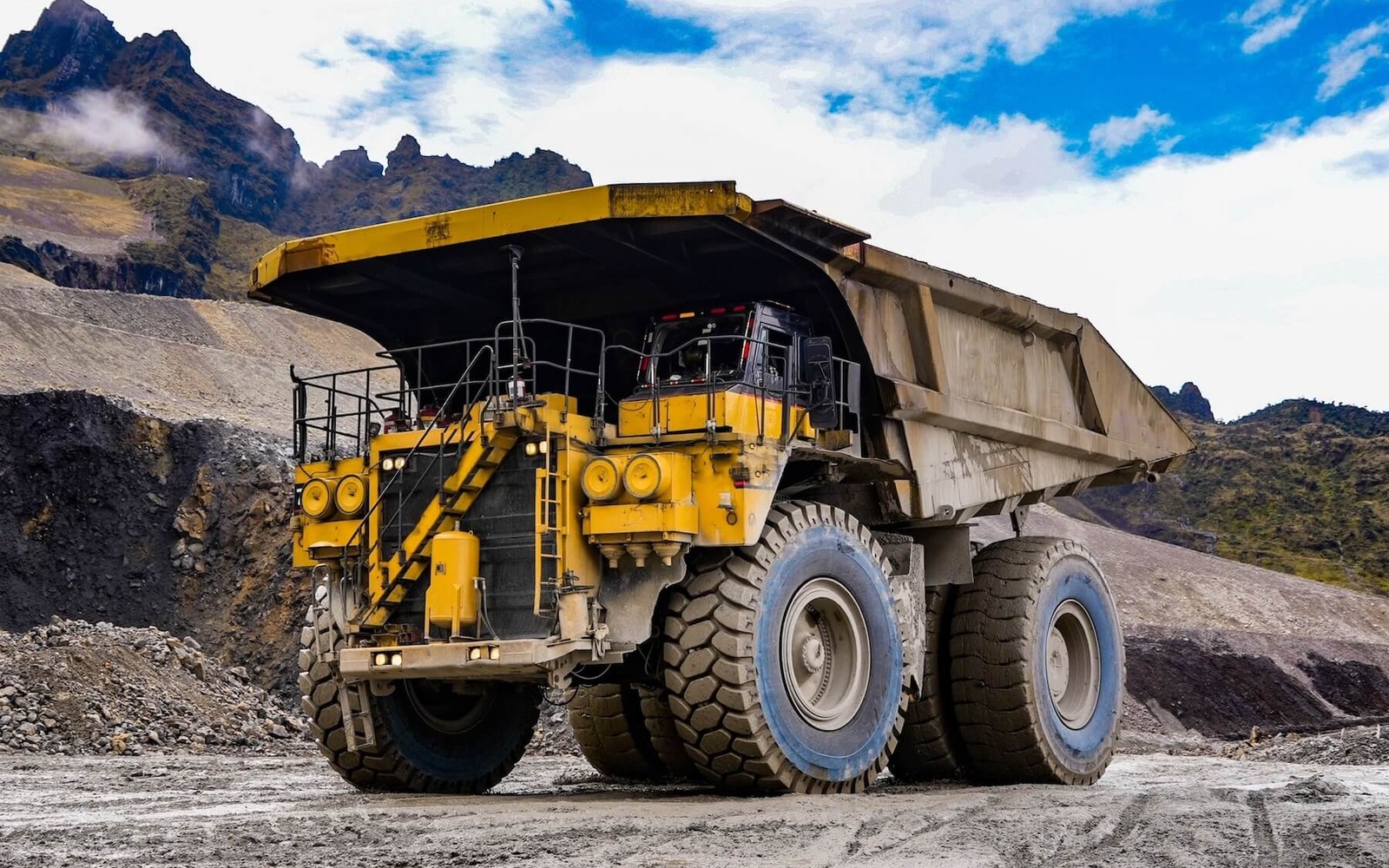

Hot mix asphalt cools while it sits in the truck. Temperature loss between the plant and the paver is not just a quality issue, it is a specification compliance issue on most DOT contracts. The truck that hauls asphalt needs to move fast, unload completely into the paver hopper, and get back to the plant for the next load before the schedule falls behind. Equipment problems on a paving day are expensive problems.
Trucks for asphalt hauling are typically spec'd with slick-steel or aluminum dump bodies that prevent hot mix from sticking and allow complete discharge without residue buildup. Insulated or heated body options slow heat loss on longer hauls from the plant to the paving site. Dump body design is as important as the chassis spec when you are hauling material that has a temperature window for compaction.
We finance asphalt hauling trucks as a specialized subset of the dump truck market. The same application-plus-bank-statements process applies. Deals start at $50,000 and application-only approval runs to approximately $400,000. Most paving season truck purchases fall comfortably in that range.
Asphalt Truck Body Specs and What They Mean for Lenders
Standard steel dump bodies are not ideal for hot mix asphalt. Bitumen from the asphalt bonds to raw steel and builds up over time, creating adhesion issues that slow the discharge cycle and eventually require body cleaning that takes time out of the hauling operation. Slick steel body options including polished stainless steel liners or specialized coatings reduce adhesion materially. Aluminum bodies also work well because the naturally smoother surface releases hot mix more cleanly than raw steel.
Oil-spray systems that coat the truck body interior with a petroleum-based release agent before each load are used alongside body material selection to minimize sticking. These systems add a maintenance item but significantly reduce the physical effort and time lost to body cleaning during a paving shift.
Insulated body panels slow the temperature drop during haul. On longer hauls from plant to paving site, insulated panels can mean the difference between material arriving in spec and material that needs to be rejected or laid at lower quality. Insulated bodies add purchase price, which typically increases the loan amount but is usually a justified investment on operations with haul distances over ten or fifteen minutes.
Lenders value asphalt trucks based on the chassis and body condition, same as any dump truck. A slick-steel or aluminum body in clean condition reads as a well-maintained, purpose-built asset. A raw steel body with significant bitumen buildup raises condition questions. Body condition on used asphalt trucks matters for collateral valuation. Lenders familiar with paving trucks know what to look for.
Asphalt Paving Operations We Finance
Sub-haulers working for paving contractors on DOT highway contracts who need their own truck rather than relying on the GC's fleet. Paving contractors who want to control their own material supply chain and eliminate the markup of paying a third-party hauler on every load. Asphalt paving contractors building their equipment capacity to bid and execute larger paving projects independently.
Asphalt hauling is seasonal in many markets, concentrated in the spring and fall paving windows when pavement temperatures support compaction. The cash flow pattern for an asphalt hauler reflects those windows. Lenders who understand the seasonality of paving work evaluate three months of bank statements with that context rather than expecting flat year-round deposits.
Owner-operators who work the paving season and supplement with aggregate hauling in the off-season are common buyers of purpose-built asphalt trucks. The truck earns its value on the paving jobs and stays productive in the shoulder season on gravel or base material runs where the body spec does not limit the operation. The chassis brands most common in asphalt work include Peterbilt and Mack, both of which have strong parts networks and dealer support in the regions with active paving seasons.
New asphalt trucks qualify for Section 179 tax deductions, which changes the first-year after-tax cost of ownership significantly. Operators buying before the tax year ends often factor the deduction into their purchase timing decision. We can also discuss whether an equipment lease or a loan better matches your tax situation before you commit to a structure.
Financing an Asphalt Haul Truck
Purpose-spec'd asphalt trucks typically price $10,000 to $30,000 above comparable aggregate trucks because of the body material and any insulation or oil-spray system added. That premium still falls within the ranges that common Class 8 financing handles without issue. An equipment loan at 60 months on a $160,000 asphalt truck produces a manageable payment for an operator running three or more loads per day during the season.
Used asphalt trucks require careful condition evaluation because of the body wear patterns unique to hot mix hauling. Body buildup, material around the tailgate hinges, and heating element condition (if the truck has insulated panels) are inspection points. A lender who has seen these trucks before understands what affects resale value versus what is normal for the application. We match asphalt truck deals to lenders who know the collateral.
Operators who are finishing a paving season and need capital to carry through the winter can evaluate a cash-out refinance on a truck with equity. The cash comes out and the truck keeps working the remaining shoulder-season aggregate runs. The payment on the cash-out note is higher than the original note, so the incremental cash needs to justify the cost.
Asphalt Truck Financing Questions
What paving operators ask before they buy or refinance a truck in this application.
Get Your Asphalt Truck Financed Before Paving Season
Paving season does not wait. Tell us the truck and the deal size. We close fast so the truck is ready when the plants open. Apply today.