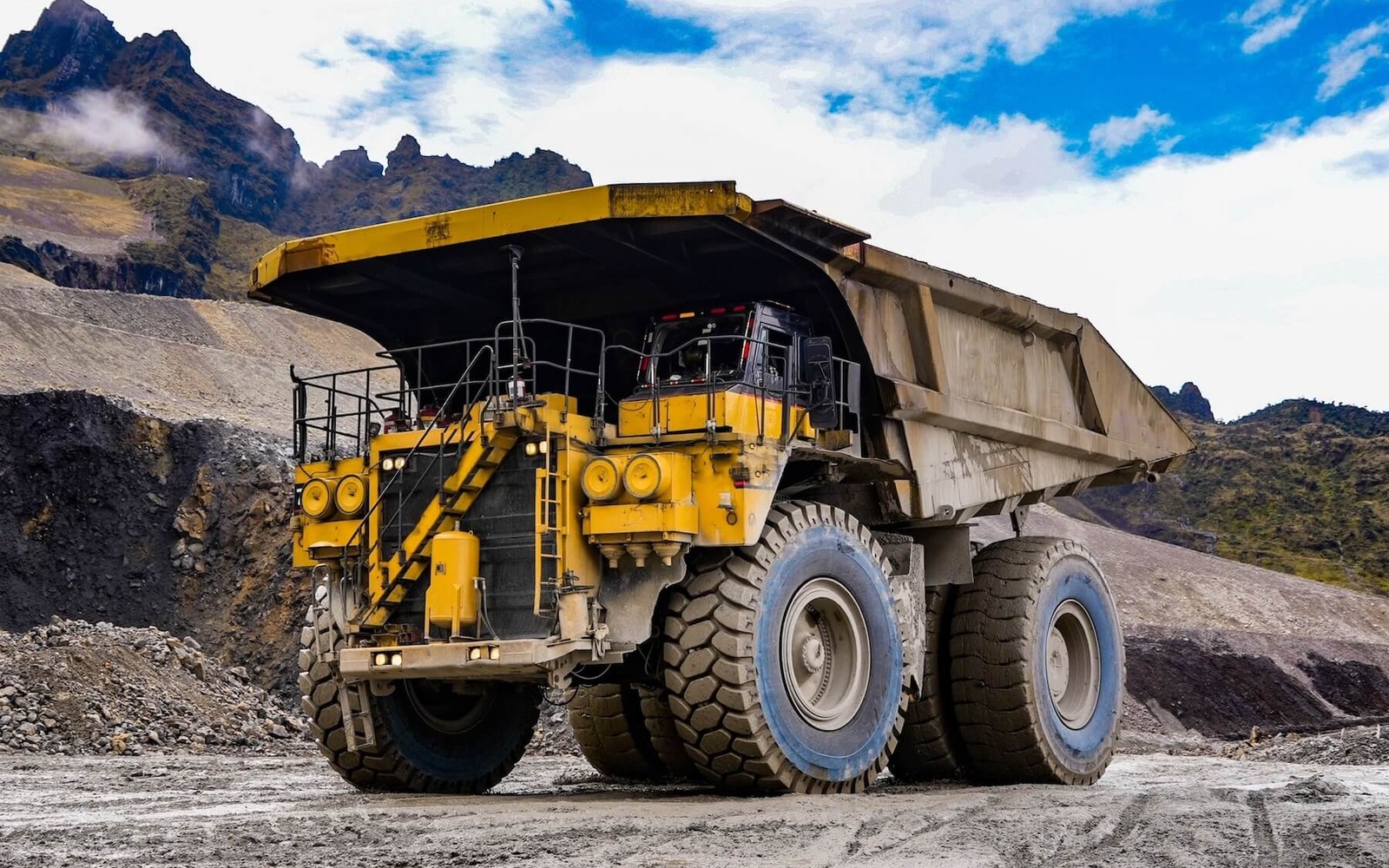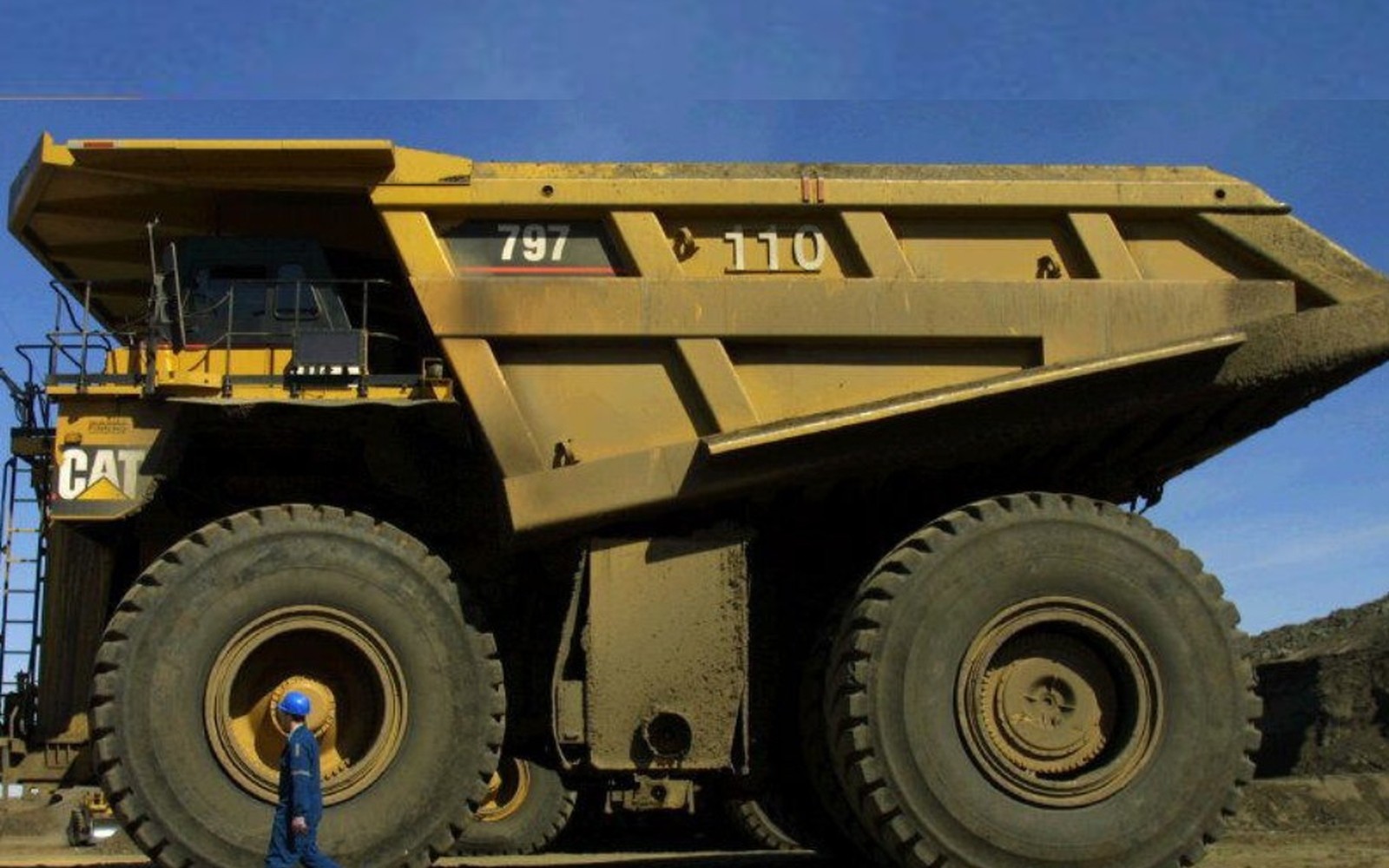

Semi end dump trailers haul more payload per trip than a straight truck configuration because the trailer's length allows a larger body volume at lower tare weight. You pull with a standard Class 8 tractor and discharge out the rear just like any end dump, but the combination of tractor and trailer spreads the load across more axles and lets you carry significantly more material legally than a body dump truck of the same total length.
Contractors running aggregate, fill dirt, and road base on projects where per-trip tonnage is the competitive variable buy semi end dump combinations to lower their per-ton hauling cost. One driver with a tractor and semi end dump trailer can move more tons per shift than the same driver in a rigid body-dump truck, which tightens the per-ton bid and wins work.
The trailer finances separately from the tractor because it is a separate titled asset. We handle both sides of the deal, or just the trailer if you already have a tractor. Minimum deal size is $50,000 and application-only approval runs up to approximately $400,000. Most semi end dump trailer purchases are well within that window.
Semi End Dump Trailer Specs and Financing Considerations
Semi end dump trailers typically run 22 to 24 feet in body length on a triaxle trailer configuration. The combined tractor-trailer can legally haul 22 to 28 tons depending on state weight tables and the specific axle spread. The trailer itself weighs more than a body dump body on a rigid truck, but the payload advantage on total gross weight more than compensates for the additional tare.
Trailer construction varies by manufacturer and application. Steel trailers handle dense aggregate and demolition material with high abrasion resistance. Aluminum and aluminum-steel combination trailers save tare weight for lighter commodity hauling where you want to maximize legal payload without the density of steel. Lenders do not price the trailer differently based on material; it is an operational consideration for the buyer.
The hydraulic discharge system on a semi end dump raises the trailer body to a high angle, typically 50 to 60 degrees, to clear the material completely. The high-lift angle requires good ground clearance under the trailer rear. Operators dumping in confined spaces or under low overhead structures need to account for the trailer height at full lift before parking for discharge.
Compared to a transfer dump setup, the semi end dump is simpler to operate because it is a single trailer behind a standard fifth wheel. The transfer dump moves more total material but requires managing two separate dump bodies on the job site. For operators who want high payload without the transfer setup's complexity, the semi end dump is a natural choice. Compared to a belly dump trailer, the semi end dump discharges from the rear rather than through the bottom, making it suitable for a wider range of material types including sticky or wet loads that would jam a center gate.
Who Buys Semi End Dump Trailers
Aggregate haulers serving road construction projects. Fill dirt operators on large commercial site development jobs. Contractors working in landfill and dirt hauling who need high per-trip payload to compete on the per-ton rate. Experienced owner-operators who already run a tractor and want to upgrade from a body dump truck to a combination vehicle for the payload advantage.
The semi end dump buyer generally already has a tractor or is buying tractor-trailer as a matched set. Operators who have been running rigid body-dump trucks and want to step up production without adding a second driver consider this transition frequently. One driver in a semi end dump combination can outproduce the same driver in a single-axle or tandem rigid truck by a meaningful margin on most aggregate haul cycles.
The aggregate hauling and road construction sectors drive most of the semi end dump market. Demolition contractors who generate large volumes of debris on commercial sites also run semi end dumps when the material consistency allows rear discharge.
Qualifying for a Semi End Dump Trailer Deal
The trailer is the collateral. Lenders look at the trailer's year, condition, manufacturer reputation, and the operator's ability to service the debt. Application, three months of bank statements, and the trailer purchase details are the starting package for underwriting.
B and C credit operators finance semi end dump trailers when the cash flow supports the payment and the down payment is adequate. The trailer value holds reasonably well on newer units, which gives lenders more confidence even on thinner credit files. Older trailers with significant age or body wear require either a larger down payment or a shorter loan term to bring the loan-to-value into range.
If you are buying a tractor and trailer together, we handle both deals. The equipment loan covers each asset separately. Some operators prefer to use an equipment lease on the trailer specifically to minimize monthly cash outflow during the early phases of building the business revenue to match the debt service on both assets.
Semi End Dump Trailer Questions
What combination vehicle buyers ask before submitting an application.
Finance Your Semi End Dump Trailer
Whether you need the trailer only or the full tractor-trailer combination, start with the application and let us structure the deal around what you actually need. Funding in about two weeks.