
Two different money problems. Two different tools. Equipment financing puts iron in your yard. Working capital puts cash in your account. The mistake is trying to use one for the job of the other, and haulers do it more than they should. Buying a truck on an unsecured working capital line burns cash at bad rates. Funding a slow-season payroll gap with a truck refinance ties up time and collateral you did not need to touch.
Knowing which money is for which problem is the basics of running an equipment business without getting underwater. This page walks through how each product works, when to reach for each, and how they interact when you need both at once.
Equipment Financing: Tied to the Iron
An equipment loan or lease is secured by a specific piece of equipment. The truck is the collateral. The lender's willingness to lend, the amount, and the rate are all tied to that specific asset: its age, its value, and what it is worth if they ever had to take it back and sell it.
Because equipment financing is secured by a hard asset, it generally carries lower rates than unsecured products. The lender is not making a blind bet on your business. They know exactly what they can repossess and resell. That collateral position is what makes equipment loans and equipment leases cheaper money on a rate basis.
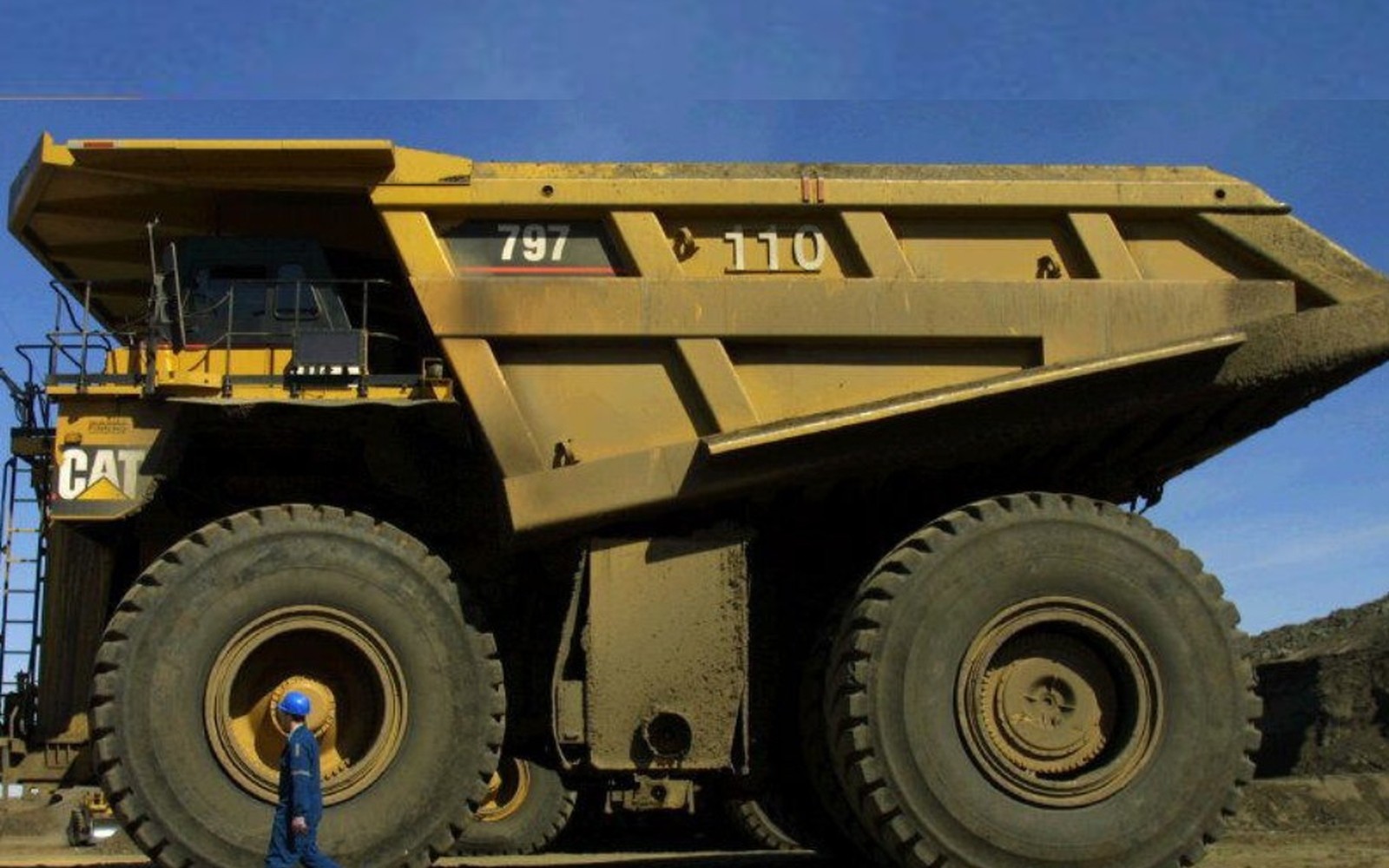
Equipment financing is best used when you have a specific truck to buy. Funding a Tri-Axle Dump Truck Financing or a tandem-axle truck, refinancing an existing note, or pulling equity through a cash-out refinance are all equipment-related purposes. These are the right use cases.
Working Capital: Tied to the Business
Working capital products are not secured by a specific piece of equipment. They are underwritten on the health of the business: revenue, bank balances, time in business, and sometimes receivables. Because there is no hard asset collateral, the lender is taking more risk, and the rates reflect that. Working capital lines, merchant cash advances, and short-term business loans are all more expensive than equipment loans on an annualized basis.
Working capital is the right tool when you need to bridge a cash-flow gap. Fuel cards running ahead of client payment cycles. Payroll due before a load invoice clears. A tire purchase that cannot wait two weeks. Insurance renewal before the season starts. These are operational cash needs, not equipment needs, and they require operational cash tools.
Operators in road construction who win a large contract and need to cover expenses before the first progress payment often find that working capital and equipment financing run in parallel. The trucks are financed. The gap-fill on payroll and materials is covered by a short-term line.
When They Overlap and When to Use Both
The two products overlap in one common scenario: the cash-out refinance. When you refinance a truck and take cash out, the proceeds can be used for any purpose, including working capital. This is a popular move because the rate on a cash-out refi, even at a slightly higher rate than a standard term loan, is still considerably lower than an unsecured working capital product.
For operators with equity in their trucks, the playbook looks like this: keep the truck equity working by doing a refinance or cash-out refi when operational cash is needed, rather than taking unsecured working capital at punishing rates. Use the working capital products only when there is no equity available or when the urgency does not allow time for a refi.
Owner-operators with one truck and thin margins should be especially careful here. Taking working capital to cover a cash crunch is sometimes necessary. But the repayment schedule on a short-term working capital product can make a lean stretch into a death spiral if the payments are too aggressive relative to the load income.
How Qualification Differs Between the Two
Equipment financing qualification focuses heavily on the asset and secondarily on the borrower. A good truck with solid collateral value lowers the bar for borrower qualification somewhat. That is why B and C credit programs are common in equipment financing but not in unsecured working capital.
Working capital qualification focuses almost entirely on the business: revenue, bank account deposits, outstanding debt, and days in business. No truck to offset. Lenders running working capital programs want to see consistent bank deposits and a business that can handle the repayment schedule. Revenue that comes in lumpy (as it does for seasonal haulers) can complicate working capital qualification even when the business is fundamentally healthy.
Common Questions on the Difference
Not Sure Which Product Fits Your Situation
Tell us what you are trying to accomplish. We will tell you straight whether it is an equipment deal, a working capital need, or both. No fee to talk through the options.