
Duluth runs on iron ore and the port that ships it. The Great Lakes port at the western tip of Lake Superior handles more bulk cargo tonnage than most American ports ever see, and the infrastructure that supports that port, along with the Iron Range haul routes that feed it, keeps dump trucks and haul trucks working through conditions most markets never face. Minus-thirty winters, spring frost-heave on Iron Range access roads, and the relentless cycle of port infrastructure maintenance are the backdrop for haul contractors who know this territory.
We fund dump trucks for Duluth and northeastern Minnesota operators. Highway-legal tri-axle trucks running iron ore support haul from the Mesabi Range, tandem-axle trucks on port facility construction and maintenance, road contractors on MnDOT projects along US-2 and MN-61, and equipment running winter snow and ice work in the Lake Superior region all qualify. Minimum deal is $50,000, application-only up to around $400,000, funded in about one to two weeks from a complete file.
Northeastern Minnesota has an industrial credit culture shaped by the boom-bust cycles of the mining industry. Operators who have been through a curtailment cycle or a temporary mine shutdown may carry credit marks that do not reflect their current business health. B and C credit financing is part of our standard program for that reason. We evaluate the full picture, not just the score.
The Duluth and Iron Range Haul Economy
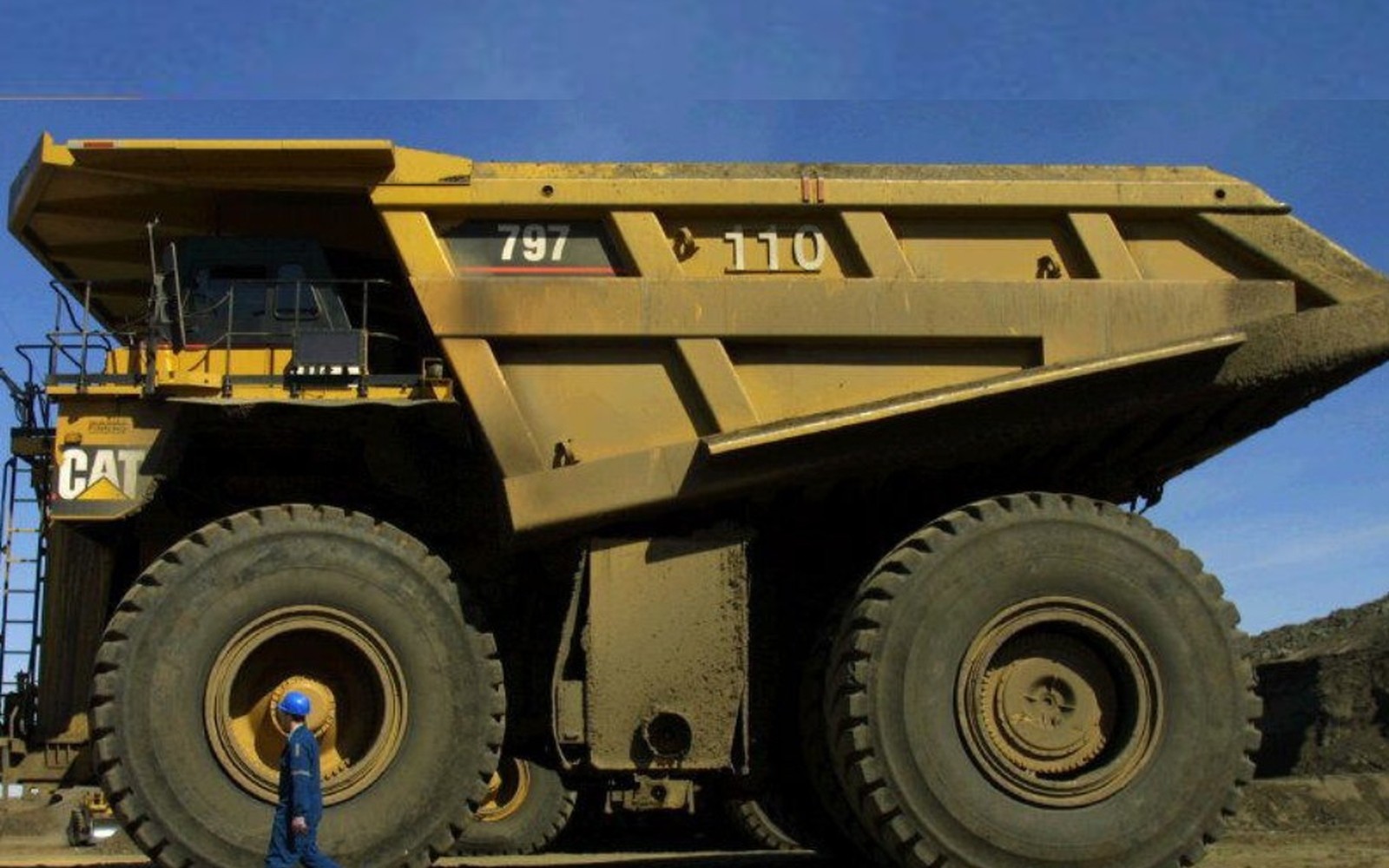
The Mesabi Iron Range, stretching from Hibbing through Virginia to Eveleth and Aurora, is one of the most prolific iron ore districts in the world. Taconite pellets from Range mines travel by truck and rail to the Duluth, Two Harbors, and Silver Bay port facilities on Lake Superior. Highway-legal haul trucks that support those mine-to-port logistics run specialized routes on Minnesota's Iron Range roads, which take a different beating than standard highway routes. Haul truck financing for Iron Range-adjacent operations is something we handle with an understanding of how those assets are used.
The Port of Duluth-Superior handles taconite, limestone, potash, grain, and bulk commodities at terminals along both the Minnesota and Wisconsin sides of the harbor. Port facility infrastructure construction and maintenance, dock rehabilitation, and terminal expansion projects generate dump equipment demand for contractors working those projects. General contractors managing port facility work sub out the haul, and local dump truck operators who know port access procedures and requirements are positioned to win that work.
MnDOT projects along US-2 west toward Bemidji, MN-61 south along the lake shore, and US-53 north to International Falls generate consistent road base and asphalt haul demand. Road construction contractors operating in northeastern Minnesota often deal with both state DOT work and county road work on Iron Range roads that see heavy truck traffic from mine operations year-round.
The Duluth metro's residential and commercial development, while smaller scale than the Twin Cities, generates aggregate haul for site development contractors working in the hillside neighborhoods and along the US-35 commercial corridor. Tri-axle dump truck financing handles the configurations used on both Iron Range mining support and standard construction aggregate haul.
What Goes Into a Duluth Approval
A completed application, bill of sale or dealer quote, and three months of business bank statements make up the standard file. Below $400,000, bank statements are often optional and the application-only path produces a credit decision in two to three business days. Above that, statements help lenders size the deal to the cash flow accurately.
Mining-industry credit cycles create a specific documentation challenge in this market. Annual income that correlates with production cycles and spot pellet prices looks different from year-round construction income. Presenting the full 12-month bank statement picture rather than just the most recent three months helps lenders see the pattern rather than a single quarter.
Operators who have been through a mine curtailment or contract gap should document the gap's origin and the recovery clearly. A lender who understands the Iron Range economy reads that story differently from one who sees it as a generic business interruption. We work with lenders who know the context.
For new businesses entering the Duluth haul market, a signed mine haul subcontract or port facility contract is strong anchor documentation. Startup business financing for first-truck situations requires more support documentation but is achievable with the right file structure.
Who We Fund in the Duluth Region
Mine haul support contractors running highway-legal trucks for supply delivery, personnel transport, and material haul adjacent to Iron Range mine sites make up a significant portion of our Duluth volume. These operators understand seasonal work volume shifts and the economics of Iron Range subcontracting better than most finance shops do. Owner-operator financing for single-truck operators on mine haul subcontracts is a familiar transaction for us.
Port facility and waterfront contractors doing dock rehabilitation, terminal construction, and utility work at the Port of Duluth-Superior run dump equipment that cycles through some of the most demanding conditions in the Great Lakes region. Salt air, freeze-thaw cycles, and hard use on heavy construction sites accelerate wear more than standard road use. We fund those operators and evaluate the equipment with realistic condition assumptions for the environment.
Road and bridge contractors working MnDOT projects in northeastern Minnesota and on county road agreements in St. Louis, Lake, and Cook Counties are also a core segment. The remote nature of some project sites means equipment downtime is expensive in ways that closer-to-dealer markets do not experience. Operators here tend to maintain their trucks more rigorously, which shows up in better used-truck condition on the assets we see in this market.
Duluth and Iron Range Haulers Ask
- Can I finance a truck specifically for Iron Range mine haul support routes? Yes. Highway-legal trucks that run Iron Range support routes qualify as standard vocational truck financing. The work location does not complicate the financing structure.
- My income depends partly on taconite production cycles. How does that affect underwriting? Cyclical income tied to commodity production is understood by lenders who work the mining-adjacent market. Full-year bank statements showing the income pattern matter more than any single quarter. We present the context along with the file.
- Can I finance a truck for port facility construction work at the Port of Duluth? Yes. Port infrastructure contracts are valid and often strong documentation. Include the contract or project agreement with your application.
- Do you fund trucks for snow and ice removal contracts in the Duluth area? Yes. Snow removal and plowing operations in northern Minnesota are year-round business concerns and count as legitimate operating revenue. Municipal and private snow contracts both qualify.
- Can I get financing if my truck will sometimes work in Wisconsin near Superior? Yes. Cross-border operations in the Duluth-Superior area are routine. One application, one entity, multi-state operations. Titling follows your primary operating state.
Get Your Duluth Dump Truck Funded
Iron Range haul and port work demand trucks that perform in conditions that would sideline lesser equipment. Tell us what you need and a quick description of your operation. We come back with real numbers and a clear list to close. Most Duluth area files fund in about two weeks from a complete submission. Apply today and stay competitive in the northeast Minnesota market.